

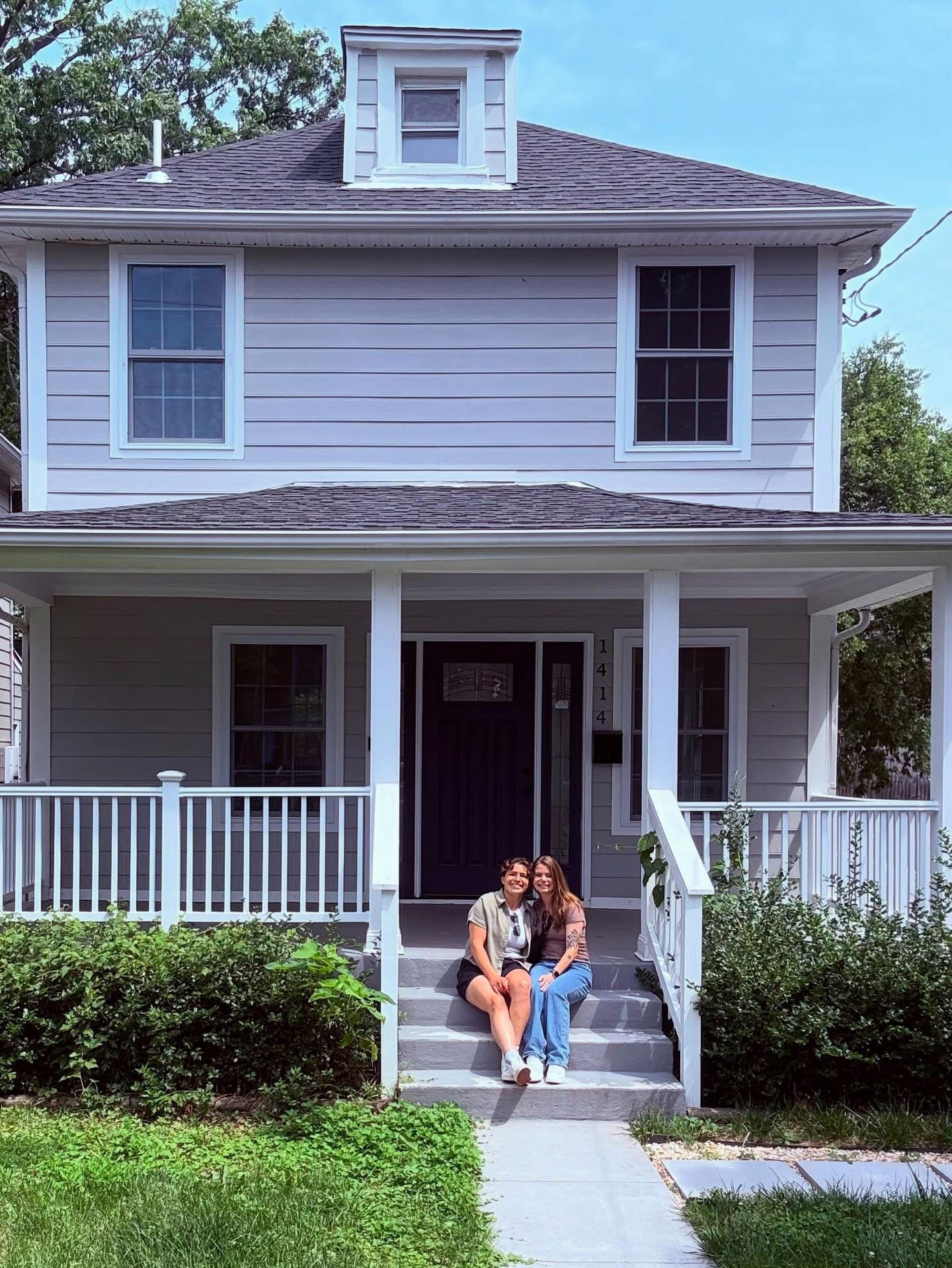
Choosing whether to rent or buy in the DMV is one of the biggest financial and lifestyle decisions a household can make. The right answer depends on your budget, timeline, job stability, savings, maintenance comfort, and long-term goals.
Why This Decision Matters
In the DMV, housing costs can vary widely between Washington, DC, Maryland, and Northern Virginia, and even between nearby neighborhoods. That means the rent-versus-buy decision is not just about monthly payment alone; it is also about flexibility, equity, commute, taxes, repairs, and how long you expect to stay put.
When Renting May Make More Sense
Renting can be the better option when flexibility is the top priority. It may be a strong fit if you expect to move within a few years, are still building savings, want fewer maintenance responsibilities, or are unsure which neighborhood best fits your lifestyle.
Benefits of Renting
- Lower upfront costs compared with a home purchase.
- More flexibility for job changes, relationship changes, or relocation.
- Fewer repair and maintenance responsibilities.
- Easier way to test a neighborhood before making a long-term commitment.
- Potentially lower monthly cost in some higher-priced areas.
Tradeoffs of Renting
- No ownership equity built through monthly payments.
- Rent may rise at renewal.
- Less control over finishes, renovations, pets, or long-term housing security.
- Monthly payments benefit the property owner rather than building personal wealth.
When Buying May Make More Sense
Buying can make sense for households that want stability, expect to stay in the area for several years, and are financially prepared for upfront and ongoing ownership costs. It can also be a smart move for buyers who want to build equity, lock in housing costs with a fixed-rate loan, and create long-term wealth through ownership.
Benefits of Buying
- Opportunity to build equity over time.
- Greater control over the property and living space.
- More stability in monthly principal and interest payments with a fixed-rate mortgage.
- Potential tax advantages, depending on the buyer's situation.
- Long-term wealth-building potential if the property appreciates and is held over time.
Tradeoffs of Buying
- Higher upfront costs, including down payment and closing costs.
- Responsibility for repairs, maintenance, and unexpected expenses.
- Less flexibility if life plans change quickly.
- Monthly ownership cost may be higher than rent in some neighborhoods.
- Market conditions can affect affordability and resale timing.
Costs to Compare
A smart comparison goes beyond rent versus mortgage. Buyers and renters should compare the full monthly and upfront picture.
Renting Costs
- Monthly rent.
- Renter's insurance.
- Parking, pet fees, amenity fees, or utilities not included in rent.
- Security deposit and moving costs.
Buying Costs
- Mortgage payment.
- Property taxes.
- Homeowners insurance.
- Condo or HOA fees, if applicable.
- Utilities, maintenance, and repair reserves.
- Down payment, closing costs, and moving costs.
Questions to Ask Before Deciding
- How long do you expect to stay in the DMV?
- Do you have enough savings for down payment, closing costs, and emergency repairs?
- Is your job or income stable enough for homeownership?
- Would you rather have flexibility or long-term housing stability?
- Are you comfortable handling maintenance and repair costs?
- Is the monthly ownership cost realistic for your broader financial goals?
- Do you want the option to build equity and stay in one place for several years?
DMV-Specific Considerations
Local market conditions matter. In the DMV, buyers should think about commute patterns, Metro access, neighborhood turnover, condo fees, parking, and whether they may move because of work or family needs within a short time frame.
Some areas may make renting more attractive in the near term because purchase prices are high relative to rents. In other neighborhoods, buying may make more sense for households planning to stay longer and benefit from stability, appreciation potential, and equity growth.
A Practical Rule of Thumb
Renting often makes more sense for shorter time horizons and life transitions. Buying usually becomes more attractive when a household is financially ready, wants more control and stability, and expects to remain in the home long enough for the upfront costs to be worthwhile.
Which Path Is Right for You?
There is no one-size-fits-all answer. The best decision comes from comparing real numbers, understanding your timeline, and matching the choice to your lifestyle and long-term goals instead of just chasing the lowest monthly payment.
About BW Metro Properties
BW Metro Properties helps clients across DC, Maryland, and Virginia think through the full picture of housing decisions, including affordability, ownership costs, neighborhood fit, and long-term strategy.
Check out this article next